

Does the Quetzal Catamaran Use Single-Use Plastic?
Cutting plastic on board an excursion isn’t just a marketing line: it involves real decisions about what gets served, in what container, and what happens to the waste generated over the course of the day — especially when part of the excursion takes place inside a protected national park like the one surrounding Saona Island. Here’s what actually changes on board the Quetzal, and why this kind of commitment matters more at this destination than at others.
Our zero single-use plastic commitment on board
On the Quetzal, the goal is to cut single-use plastic during the excursion as much as possible: reusable water containers instead of individual disposable bottles, no plastic straws, and reusable or biodegradable dishware for meals served on board, instead of disposable plates and cutlery. This isn’t about eliminating every piece of plastic packaging from the supply chain entirely — some products still arrive pre-packaged from suppliers — but about consciously reducing what actually gets generated and thrown away during the day itself.
What this actually changes during the excursion
In practice, this shows up in details a passenger can notice throughout the day: water is served from refillable dispensers or jugs rather than individual bottles, drinks are served in reusable cups, and food on board comes on dishware that doesn’t end up in the trash after the meal. These are small changes taken one at a time, but across a full-day excursion with several dozen passengers, they add up to a meaningful amount of plastic that simply never gets generated in the first place.
To put that at scale: a typical full-day excursion can carry somewhere between 20 and 30 passengers. If each one went through just two or three individual water bottles over the course of the day, that alone would add up to 40 to 90 plastic bottles discarded on a single trip — a volume that, multiplied across a full season of weekly departures, stops being a minor detail.
Why this commitment matters at Saona
Saona Island is part of Cotubanamá National Park (formerly Parque Nacional del Este), a protected area with no waste collection infrastructure of its own. Any plastic that makes it onto the island as part of an excursion, and isn’t properly collected and removed, has very few natural ways out of that protected environment — unlike a municipal beach with regular cleanup services. Cutting single-use plastic at the source, before it ever reaches the island, is a direct way to reduce that risk, rather than relying solely on good waste management once already on land.
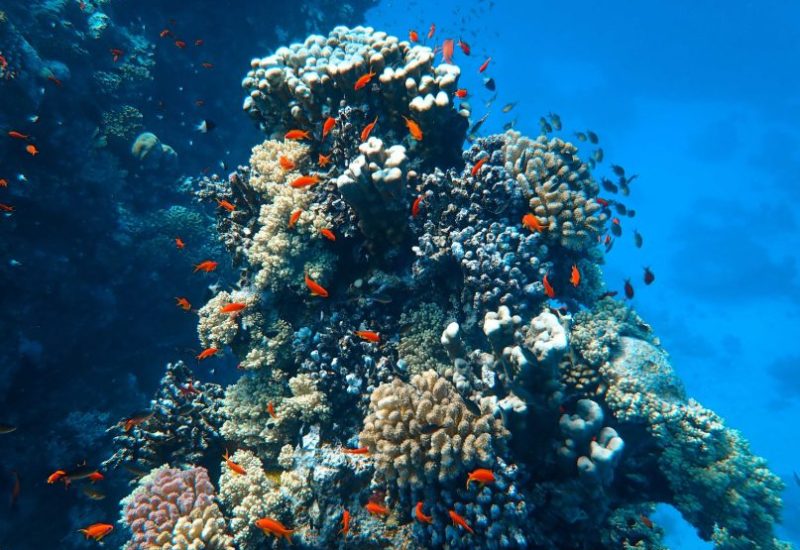
It also matters for the marine life that makes Saona and its surrounding waters worth visiting in the first place: plastic fragments that end up in the water pose a direct risk to sea turtles, fish, and the reef itself that many passengers come specifically to see while snorkeling.
How we work around the logistical challenges
Operating consciously around plastic in an island setting that’s also a protected natural area comes with real logistical constraints, and requires clear habits to work around them:
- All waste generated during the excursion is removed from the island. Since Saona has no waste collection infrastructure, every bit of trash generated on board and on the beach is brought back to the mainland with the boat itself, rather than being left on the island under any circumstances.
- Reusable items are cleaned and prepped between excursions, rather than being swapped for disposable alternatives for the sake of convenience, even though this means more maintenance work for the crew between one outing and the next.
- Larger-format supplies are prioritized (jugs, dispensers) over individually packaged items, reducing the volume of packaging that comes on and off the boat with each excursion.
FAQ
Can I bring my own reusable water bottle on board?
Yes — it’s welcome and works well alongside the water dispensers available during the excursion.
Are drinks served in glass or cans instead of plastic?
Drinks are served in reusable cups rather than individual plastic containers, except for products that arrive pre-packaged from suppliers in another material.
Does this commitment affect the price of the excursion?
No — it’s an operational choice about what gets purchased and how it’s served, not an add-on service billed separately.
What happens to waste that can't be avoided?
It’s removed from the island along with the rest of the equipment at the end of the excursion and managed on the mainland, where proper waste collection infrastructure exists.
Final Thoughts
Cutting single-use plastic on board the Quetzal isn’t an isolated symbolic gesture — it’s a series of concrete operational choices (dispensers instead of individual bottles, reusable dishware, systematically removing all waste generated) that make particular sense given where the excursion actually goes: a protected area with no waste infrastructure of its own. It’s a commitment that requires more logistical organization from the crew, but it directly reduces the amount of plastic that could end up in the exact natural environment passengers are making the trip to see in the first place.

Who are we?
Based in Bayahibe, Quetzal Excursions is a local agency specialized in small-group sea trips to Saona, Catalina, and the most beautiful hidden gems of the Dominican Republic. We focus on comfort, safety, and authenticity, aboard high-end boats with a professional crew.
📱 CONTACT US ON WHATSAPP : +1 (809) 979-7359
Our Regular Excursions
Saona by Catamaran – All Comfort
Our Excursion to Catalina Island
Snorkeling Tour to Catalina
Our Private Excursions
Private rental of the Quetzal catamaran
📌 Need help planning your excursion?
Contact Quetzal Excursions to plan your activities from your place of stay, with included transport, small group, professional guide, and high-end services.