

What is the Best Time to See Whales in the Dominican Republic?
Every year, the Dominican Republic becomes one of the world’s most spectacular stages for whale watching. Thousands of humpback whales travel thousands of kilometers from the icy waters of the North Atlantic to the warm, calm seas of the Caribbean. Here, they mate, give birth, and nurture their calves in a natural sanctuary that has earned international recognition. But when exactly is the best time to see whales in the Dominican Republic, and what can travelers expect during this unforgettable experience?
Understanding the Whale Migration Cycle
Humpback whales are migratory giants. Their cycle is divided into two main phases:
Feeding season (summer): During the warmer months, humpbacks live in the North Atlantic, near Canada, Greenland, and Iceland. These waters are rich in krill and small fish, which allow the whales to build up energy reserves.
Breeding season (winter): When the cold sets in, whales head south. They travel thousands of kilometers to the Caribbean, where the water is warmer, calmer, and safer for reproduction and nursing calves.
The Dominican Republic, particularly Samaná Bay, is a crucial breeding ground. This is why the country has become one of the top whale watching destinations in the Caribbean.
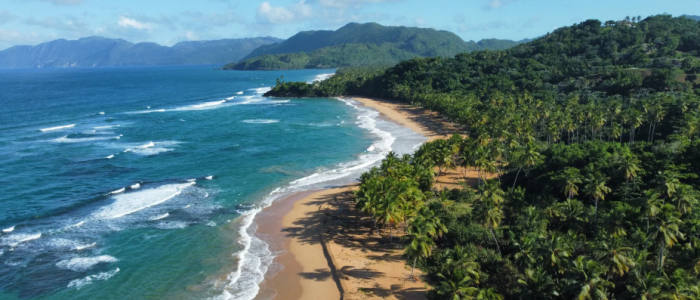
Whale Season in the Dominican Republic
The whale watching season is relatively short but intense.
Start of the season: Mid-January
Peak months: February and early March
End of the season: Late March
During this window, the chances of seeing whales are exceptionally high. In fact, scientists estimate that over 80% of the North Atlantic humpback population migrates to the Caribbean each year, with many of them gathering in Dominican waters.
Why February is the Best Month to Visit
While the entire season is ideal for whale watching, February stands out as the ultimate month to plan your trip.
Reasons why February is special:
Peak of mating behavior: Males are especially active, performing jumps, fin slaps, and tail displays to attract females.
Whale songs: This is the time when males sing their haunting melodies, which can last for hours. Hydrophones sometimes allow tourists to listen to these underwater concerts.
Mother and calf sightings: By February, many calves have already been born. It is common to see mothers swimming slowly near the surface with their young, teaching them to breathe and swim.
Perfect weather conditions: February in the Dominican Republic is part of the dry season, offering sunny days, calm seas, and pleasant temperatures—ideal for excursions.
Best Places to See Whales in the Dominican Republic
The Dominican Republic offers several whale watching locations, but Samaná Bay is by far the most famous.
Samaná Bay
Recognized as a Marine Mammal Sanctuary since 1986.
Each winter, hundreds of whales gather here, making sightings almost guaranteed.
Excursions depart daily from Samaná town, Las Terrenas, or Miches.
What to Expect During a Whale Watching Tou
A whale watching excursion in the Dominican Republic is much more than just spotting whales—it’s an immersive natural adventure.
Typical experience
Morning departure: Boats usually leave early to maximize calm sea conditions.
Duration: Tours last between 2 to 4 hours, depending on the location.
Encounters: Guests may see whales breaching, slapping their tails, or swimming alongside calves.
Education: Naturalist guides explain whale behavior, migration, and the importance of conservation.
Rules for responsible whale watching
To protect these majestic creatures, excursions follow strict regulations:
Keeping a safe distance from the whales.
Limiting the number of boats near each group.
Avoiding loud noises that could disturb them.
Conclusion
The best time to see whales in the Dominican Republic is from mid-January to late March, with February being the peak of the season. This is when travelers can witness breathtaking displays of humpback whale behavior—from spectacular breaches to tender moments between mothers and calves.
For anyone visiting the Dominican Republic during these months, whale watching is an absolute must-do experience. Not only does it provide unforgettable memories, but it also connects us deeply with the rhythms of nature and the importance of preserving marine ecosystems.

Who are we?
Based in Bayahibe, Quetzal Excursions is a local agency specialized in small-group sea trips to Saona, Catalina, and the most beautiful hidden gems of the Dominican Republic. We focus on comfort, safety, and authenticity, aboard high-end boats with a professional crew.
📱 CONTACT US ON WHATSAPP : +1 (809) 979-7359

Our Regular Excursions
Saona by Catamaran – All Comfort
Whale watching and Redonda Montain excursion
Our Excursion to Catalina Island
Snorkeling Tour to Catalina
Our Private Excursions
Private rental of the Quetzal catamaran
📌 Need help planning your excursion?
Contact Quetzal Excursions to plan your activities from your place of stay, with included transport, small group, professional guide, and high-end services.