

Is english widely used in Dominican Republic ?
The Dominican Republic is one of the Caribbean’s most visited destinations, attracting millions of travelers from all over the world each year. Its stunning beaches, lively culture, and warm hospitality make it a dream getaway. But for English-speaking visitors, one of the most common questions before traveling is: Will I be able to get by with just English?
The short answer is — it depends on where you go and what you do. While English is widely used in certain areas, Spanish is the country’s official and dominant language. Knowing how and where English is spoken can make your experience smoother and more enjoyable.
In this article, we’ll explore the role of English in the Dominican Republic, from tourist hubs to local towns, and share some tips for communicating during your trip !
The official language of the Dominican Republic
The official language of the Dominican Republic is Spanish. It’s the language used in government, schools, media, and most day-to-day conversations. While English is taught in schools, proficiency levels vary greatly depending on education, location, and professional experience.
This means that if you’re planning to travel outside tourist areas or interact closely with locals, you’ll likely need at least some basic Spanish to communicate effectively.

English in tourist areas
In popular tourist spots like Punta Cana, Bávaro, Bayahibe, or La Romana, English is much more commonly spoken. Hotels, resorts, restaurants, and excursion companies that cater to international travelers often have staff who can communicate well in English.
In these areas, you’ll have little trouble ordering food, booking tours, or asking for directions in English. Some menus are even fully translated, and many tour guides are multilingual.
English in rural and non-tourist areas
Once you move away from the main tourist hubs, the prevalence of English drops significantly. In small towns, markets, and local neighborhoods, Spanish dominates everyday interactions. Many people may only know a few English words or none at all.
This is where learning a few basic Spanish phrases can make a big difference. Even a simple hola (hello), gracias (thank you), or ¿cuánto cuesta? (how much is it?) can open the door to warmer, friendlier exchanges.
English in the workplace
In sectors like tourism, hospitality, and international business, English is a valuable skill for locals and is often a requirement for certain positions. Guides, receptionists, and sales staff working with tourists usually have functional to fluent English.
However, in professions unrelated to tourism, English is much less common. Taxi drivers, shopkeepers, or street vendors may have limited vocabulary, especially outside the main tourist cities.
English in daily interactions
Even if English is not the official language, you’ll notice that certain basic phrases are widely understood in tourist-friendly places. Words like hello, thank you, or numbers for prices are often recognized, especially by people working in shops, beach bars, or transport services that cater to visitors.
However, conversations tend to be short and simple, and relying entirely on English might limit the depth of your interactions. That’s why having a few Spanish phrases in your pocket can open the door to friendlier exchanges and even better service.
Excursions and English-speaking guides
If you book excursions in the Dominican Republic, especially through well-established operators, you can expect to find guides who speak English fluently. Many are able to communicate in French, English and Spanish, depending on the clientele they serve.
For example, some companies make sure that their guides can explain the history, nature, and culture of the country in several languages, ensuring everyone feels included and informed during the activity. Whether it’s a snorkeling trip, a cultural tour, or a buggy adventure, having a guide who speaks your language can greatly enhance your experience.
Conclusion
While English is not the primary language of the Dominican Republic, it’s widely spoken in major tourist areas, resorts, and by many tour guides. If you stick to these places, you’ll find communication easy. However, venturing into smaller towns or rural areas will require at least a bit of Spanish for smooth interactions.
If you’re booking excursions, you’ll have no problem finding English-speaking guides — in fact, many are multilingual and happy to answer your questions in your preferred language. This ensures you can fully enjoy the beauty and culture of the Dominican Republic without language being a barrier.

Who are we?
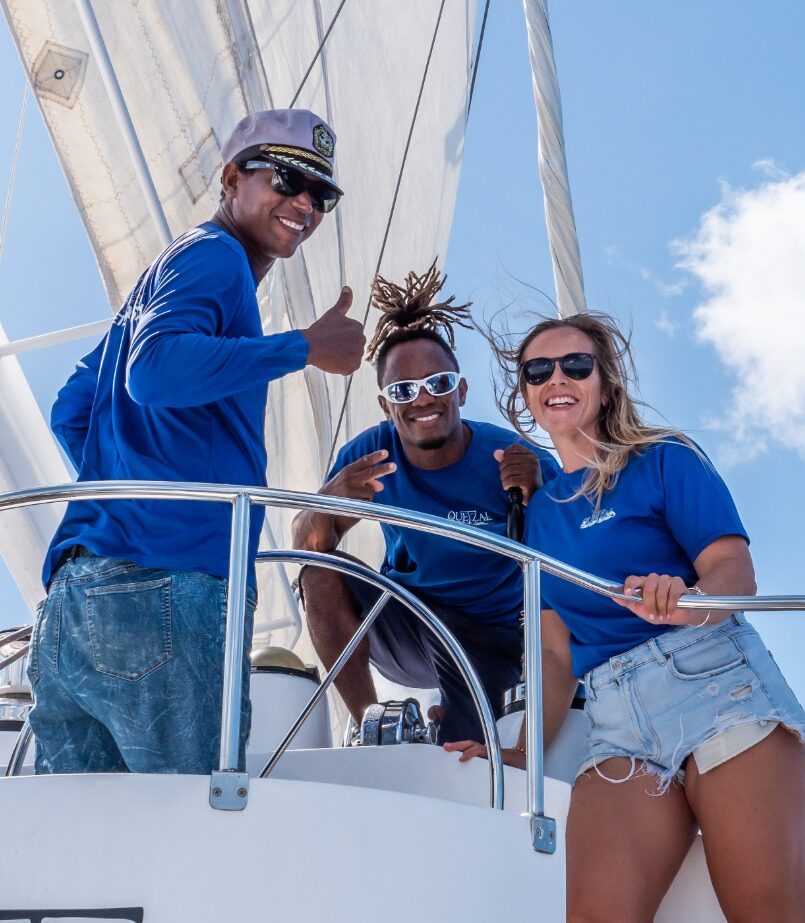
Based in Bayahibe, Quetzal Excursions is a local agency specialized in small-group sea trips to Saona, Catalina, and the most beautiful hidden gems of the Dominican Republic. We focus on comfort, safety, and authenticity, aboard high-end boats with a professional crew.
📱 CONTACT US ON WHATSAPP : +1 (809) 979-7359
Our Regular Excursions
Saona by Catamaran – All Comfort
Buggy and Quad tour - Sunset Special
Our Excursion to Catalina Island
Snorkeling Tour to Catalina
Our Private Excursions
Private rental of the Quetzal catamaran
📌 Need help planning your excursion?
Contact Quetzal Excursions to plan your activities from your place of stay, with included transport, small group, professional guide, and high-end services.