

What Are Some Norms in the Dominican Republic?
Traveling isn’t just about discovering beaches, scuba diving spots, or vibrant nightlife — it’s also about understanding the culture. In the Dominican Republic, social norms shape daily life, and knowing them helps visitors feel more welcome and connected.
From greetings and hospitality to beach etiquette and religious traditions, here are the most important norms you should know before your trip.
Greetings and Politeness
Dominicans are warm and friendly, and greetings are an essential part of social interactions.
Handshake or cheek kiss: men often shake hands, while women and close friends greet with a kiss on the cheek.
Polite phrases: saying buenos días (good morning), buenas tardes (good afternoon), or buenas noches (good evening) is expected when entering shops, restaurants, or someone’s home.
Using titles like señor or señora shows respect.
Being polite and smiling is highly valued, and it will instantly make locals more open and welcoming.
Family and Community Values
The Dominican Republic is a family-oriented society.
Family gatherings: weekends often mean big meals with relatives, music, and dancing.
Respect for elders: grandparents and older family members are deeply respected.
Strong community ties: neighbors often act as extended family, sharing food, help, and celebrations.
For travelers, this means you’ll notice warmth and inclusivity, especially when interacting with locals in smaller towns or villages.
Dress Codes and Appearance
Appearance matters in Dominican culture, especially in cities and social settings.
Casual but neat: Dominicans like to dress well, even for casual outings. Clean clothes and a tidy look are appreciated.
Beachwear is for the beach: swimsuits, bikinis, and flip-flops are fine at the coastline, resorts, or water sports activities — but not in restaurants, shopping areas, or churches.
Festive clothing: for nightlife, locals often wear stylish outfits, particularly in Santo Domingo or Punta Cana clubs.
To blend in, dress respectfully when outside tourist zones.
Religion and Traditions
Catholicism plays a major role in Dominican life, though other Christian denominations are present too.
Church attendance: many Dominicans attend Sunday mass, and churches are respected spaces where modest attire is expected.
Religious holidays: celebrations like Holy Week (Semana Santa) are taken seriously, with many locals traveling or spending time with family.
Festivals and music: Merengue and Bachata are national treasures, with music and dance being integral parts of both religious and secular celebrations.
Visitors are welcome to join festivals but should show respect during religious events.
Time, Pace of Life, and Social Etiquette
Life in the Dominican Republic moves at a slower, more relaxed rhythm compared to North America or Europe.
“Dominican time”: punctuality is flexible. Social events often start later than scheduled.
Hospitality: guests are offered food or drinks as a sign of warmth. Refusing without explanation may be seen as rude.
Personal space: Dominicans are expressive and stand close when speaking, which can surprise some foreigners.
Embracing the laid-back pace will make your stay more enjoyable.
Tourism and Everyday Etiquette
Since tourism is a major part of the economy, certain norms exist specifically for visitors.
Tipping: while a 10% service charge is often included in restaurants, leaving an additional tip is appreciated.
Photos: always ask permission before taking pictures of locals.
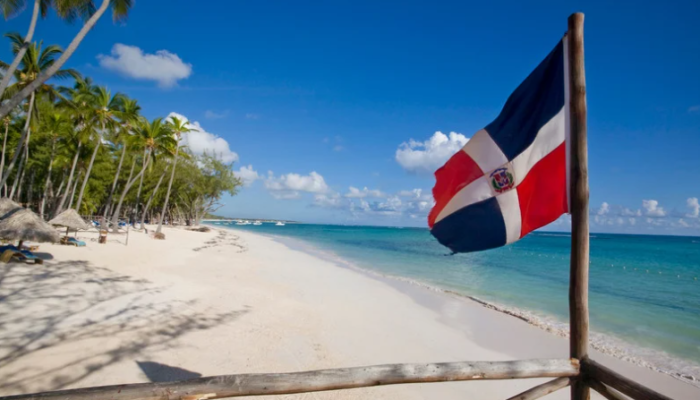
Respect for beaches and nature: keep the white sand beaches clean, avoid disturbing wildlife like sea turtles, and respect protected areas such as state parks or cliffs.
Street interactions: vendors may approach you with offers, especially in tourist zones. A polite “no, gracias” is enough if you’re not interested.
By respecting these small gestures, you’ll earn locals’ respect and make your trip smoother.
Conclusion
Norms in the Dominican Republic highlight the country’s warm hospitality, deep family values, and vibrant cultural traditions. By respecting greetings, dress codes, and local customs, travelers not only avoid misunderstandings but also gain a richer and more authentic experience.
Whether you’re enjoying a day at the beach, exploring a local market, or joining a festive celebration, keeping these cultural norms in mind will make your journey smoother and more memorable.

Who are we?
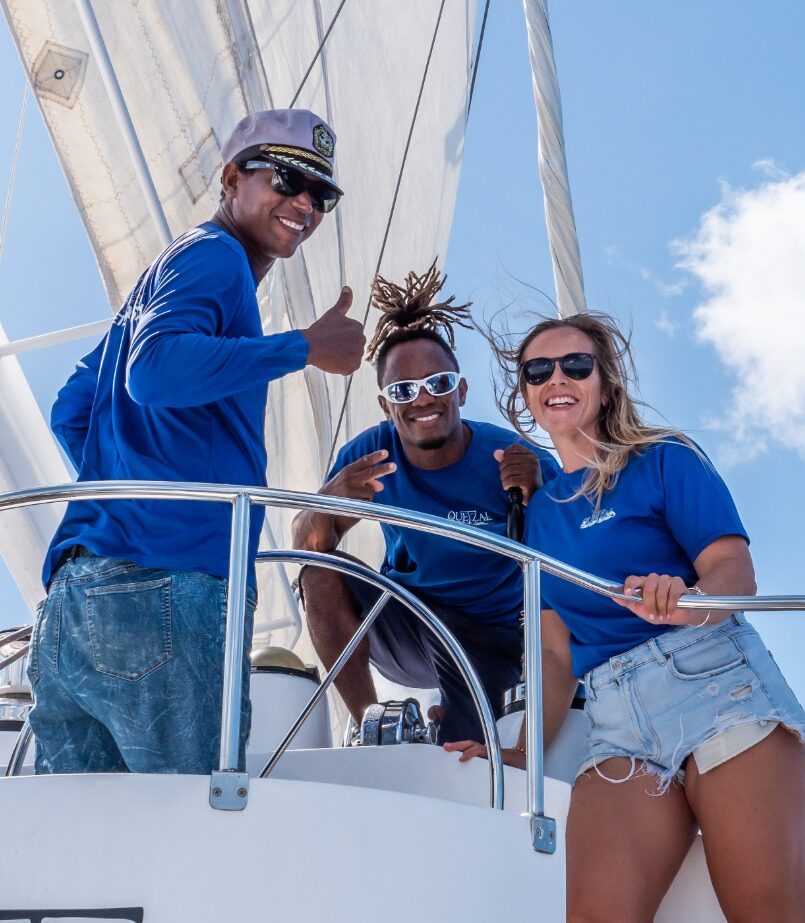
Based in Bayahibe, Quetzal Excursions is a local agency specialized in small-group sea trips to Saona, Catalina, and the most beautiful hidden gems of the Dominican Republic. We focus on comfort, safety, and authenticity, aboard high-end boats with a professional crew.
📱 CONTACT US ON WHATSAPP : +1 (809) 979-7359
Our Regular Excursions
Saona by Catamaran – All Comfort
Buggy and Quad tour - Sunset Special
Our Excursion to Catalina Island
Snorkeling Tour to Catalina
Our Private Excursions
Private rental of the Quetzal catamaran
📌 Need help planning your excursion?
Contact Quetzal Excursions to plan your activities from your place of stay, with included transport, small group, professional guide, and high-end services.