

Does snorkeling damage the coral at Catalina?
Catalina Island is known above all for its snorkeling, and coral reefs are a large part of the reason people come. That raises a fair question for anyone who cares about the places they visit: does a day of snorkeling harm the reef we have come to see? The short answer is that snorkeling itself does not damage coral. Careless behavior does, and when many people visit the same spot every day, small mistakes add up.
This article explains why coral is so fragile, how damage actually happens, which habits make the biggest difference, and what a responsible visit looks like at a site like Catalina. It closes with what Quetzal Excursions says about its own snorkeling stops on the island.
Why coral is so easily harmed
Coral looks like rock, but it is a living animal. Each reef is built by colonies of tiny polyps that grow slowly, often only a few centimeters a year, and that depend on a delicate balance of water temperature, clarity and nutrients. The surface of living coral is covered by a thin layer of tissue and mucus that protects it from disease and algae.
This is why even light contact matters. A hand, a knee or a fin can strip that protective layer, leaving the coral exposed to infection and stress. A broken branch can take years to regrow, if it ever does. Because reefs also shelter a large share of marine life, damage to the coral affects the fish, rays and other animals that visitors come to watch.
How snorkeling can damage a reef
Snorkeling is among the gentler ways to see a reef, since you stay on the surface and do not carry heavy equipment. Harm usually comes from a few specific behaviors:
- Touching or grabbing coral, often to steady oneself or to pose for a photo.
- Standing on the reef, which is especially tempting in shallow areas.
- Kicking with fins, which can break fragile branches or stir up sand.
- Stirring up sediment, because the cloud of sand that settles on coral can smother it.
- Feeding fish, which changes their behavior and the balance of the reef.
- Collecting shells, coral or other souvenirs, which removes material from the ecosystem.
- Chemicals from sunscreen and other products, whose effects are debated but are widely treated as a reason for caution.
None of these require bad intentions. Most damage comes from people who simply do not realize how fragile the reef is, or who lose control of their buoyancy in the water.
Snorkeling and coral at Catalina: the right habits
The good news is that the habits that protect a reef are simple, and most of them are easy to follow.
Keep your distance from the reef. The golden rule is to look, not touch. Staying a comfortable distance above the coral makes accidental contact much less likely.
Never stand on coral. Even in shallow water, a single step can destroy years of growth. If you need to rest, float, or return to the boat.
Control your fins. Short, gentle kicks from the hips are better than large, rapid strokes. Keeping your legs horizontal and avoiding kicking downward helps prevent contact with the bottom and reduces sediment.
Use a life vest if you need one. Good buoyancy is the best protection for a reef, and a vest helps less confident swimmers stay at the surface instead of flailing or reaching for the bottom.
Do not touch or chase animals. Rays, turtles and fish should be watched from a distance. Touching them can stress them and remove the protective coating on their skin.
Do not feed the fish. It may seem harmless, but it changes feeding patterns and can harm both the animals and the reef.
Take nothing but photos. Leave shells, coral fragments and other objects where they are.
Follow your guide’s instructions. A guide who knows the site can tell you where to swim and where to avoid.
Sunscreen and the reef
Sunscreen is one of the most discussed topics in reef protection. Some chemical filters, such as oxybenzone and octinoxate, have been linked in laboratory studies to harm to coral, and a number of destinations have restricted products containing them. Scientists continue to debate how much those findings apply to real ocean conditions, but the precautionary approach is widely recommended.
Practical options include:
- Mineral sunscreens that use zinc oxide or titanium dioxide, labeled as reef-friendly or free of the restricted filters.
- UV-protective clothing, such as a long-sleeved rash guard, which reduces the amount of sunscreen you need.
- Applying sunscreen well before entering the water, so that it has time to absorb into the skin.
- Checking the label, since the term “reef-safe” is not strictly regulated.
Whatever the product, covering up is usually the simplest and most effective way to protect both your skin and the reef.
Why guides and group size matter
Habits are easier to follow when someone is helping. A guide in the water can correct a mistake before it becomes damage: pointing out when someone is too close to the coral, reminding the group not to stand, or showing how to float calmly. This is especially valuable for beginners and children, who are the most likely to reach for the reef without thinking.
Group size matters as well. The more people in the water at the same time, the greater the chance of accidental contact and the more sediment is stirred up. A small group, a limited time in the water and clear instructions at the start make a visible difference. This is one of the reasons it is worth asking an operator how they organize their snorkeling stops before booking.
What differs between a shallow reef and a deeper wall
Catalina offers two quite different snorkeling environments, and the risks to the reef differ between them. In shallow areas, where the bottom is close and the water is calm, the temptation to stand or touch is greatest, and so is the risk of kicking up sand. Visitors who feel they can reach the bottom easily should be especially careful.
Along a deeper wall, the reef is farther below the surface and the main concern is more about not diving down toward it or disturbing marine life. Swimmers there are more likely to stay at the surface, which naturally reduces contact. In both cases, the same basic principle applies: stay at the surface, keep your distance and let the animals go about their business.
Is it better to skip snorkeling altogether?
Some travelers worry that the only responsible choice is not to visit reefs at all. The reality is more nuanced. Responsible tourism can contribute to reef protection by giving local communities and operators a reason to keep the sites healthy, and by raising visitors’ awareness. At the same time, popular sites can suffer from the cumulative impact of too many visitors behaving carelessly.
The most useful approach is to treat a visit as a privilege with rules: choose operators who explain how to behave, follow the instructions, limit your own impact and avoid sites that are visibly overcrowded or degraded. Snorkeling done well is a low-impact activity. Snorkeling done carelessly is not, which is why the habits matter more than the activity itself.
What Quetzal Excursions says about its Catalina snorkeling
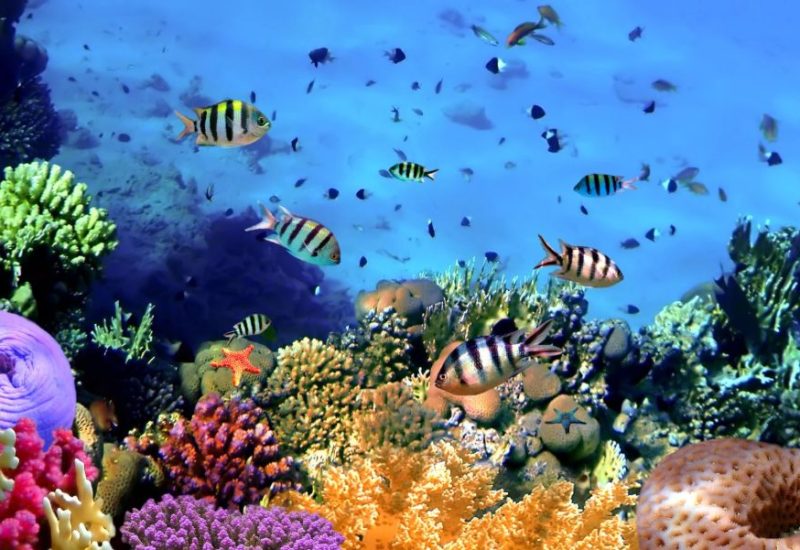
Quetzal Excursions runs a full-day excursion to Catalina from Bayahibe aboard the Quetzal, a sailing catamaran. According to the official presentation, the outing includes two guided snorkeling stops, at the Wall, an underwater cliff dropping to more than twenty meters, and at the Aquarium, known for its reef life with rays, starfish and sometimes turtles. Each guided session lasts about thirty to forty minutes.
A guide trained in snorkeling accompanies participants in the water. Fins, mask, snorkel and life vests are provided in several sizes, except for children under three, whose families should bring their own equipment. The official pages do not describe specific environmental rules for these stops, so the best way to learn how the team organizes the snorkeling, and what it asks of participants, is to ask directly when booking. Schedules, prices and availability vary by season.
Final Thoughts
Snorkeling does not damage the coral at Catalina by itself: what harms a reef is contact, careless fin strokes, stirred-up sand, feeding the fish and the chemicals we bring into the water. Because the effects add up with the number of visitors, even small habits matter.
The best protection is simple: stay at the surface, keep your distance from the reef, wear a vest if you need one, cover up rather than relying on heavy sunscreen, follow your guide and take nothing away. A visit done that way leaves the reef as it was, which is the best reason to keep coming back.

Who are we?
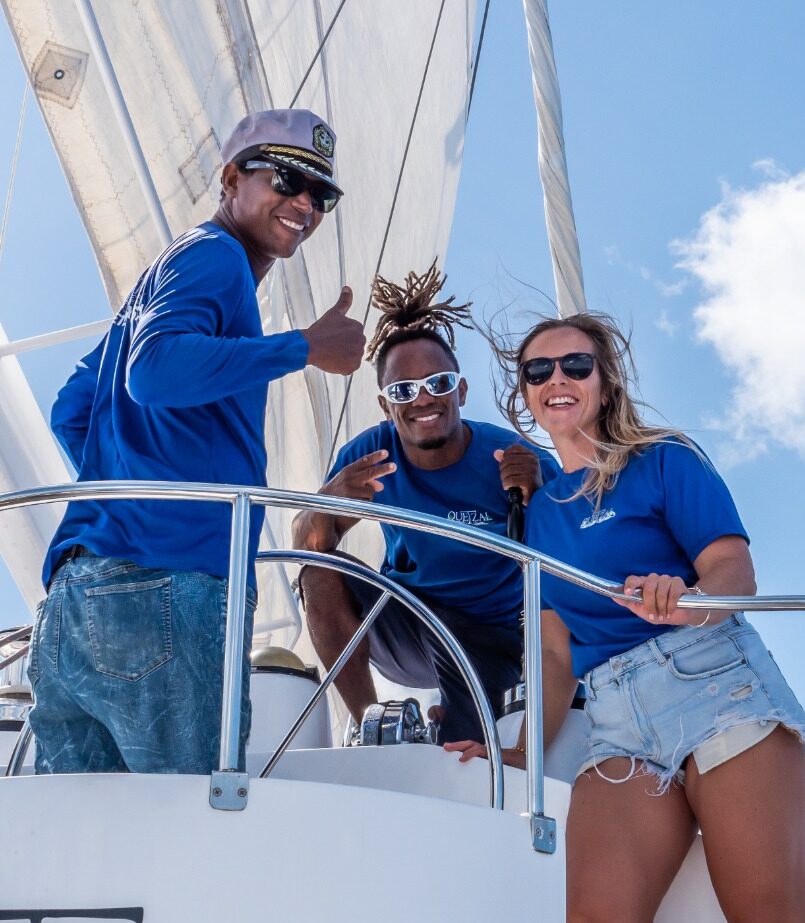
Based in Bayahibe, Quetzal Excursions is a local agency specialized in small-group sea trips to Saona, Catalina, and the most beautiful hidden gems of the Dominican Republic. We focus on comfort, safety, and authenticity, aboard high-end boats with a professional crew.
📱 CONTACT US ON WHATSAPP : +1 (809) 979-7359
Our Regular Excursions
Saona by Catamaran – All Comfort
Our Excursion to Catalina Island
Snorkeling Tour to Catalina
Our Private Excursions
Private rental of the Quetzal catamaran
📌 Need help planning your excursion?
Contact Quetzal Excursions to plan your activities from your place of stay, with included transport, small group, professional guide, and high-end services.