

Are There Mosquitoes at Los Haitises? How to Protect Yourself
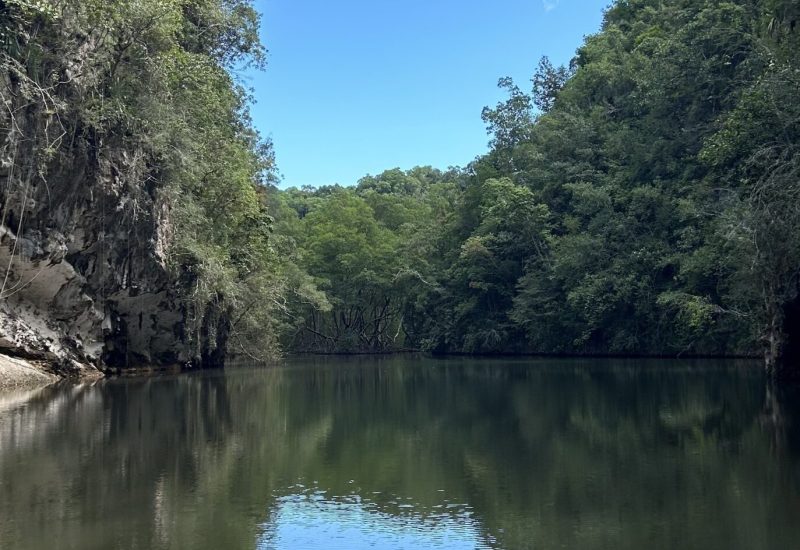
Los Haitises National Park is one of the most strikingly different landscapes in the Dominican Republic — limestone karst hills rising out of mangrove-lined waterways, dense tropical vegetation, and a network of calm inlets that feel worlds away from the beaches most visitors associate with the country. That same mangrove environment, however, raises a practical question for anyone planning the trip: are mosquitoes a real concern here, and if so, what actually helps once you’re on the water?
Mosquitoes at Los Haitises: How to Protect Yourself
Mangrove ecosystems are, almost universally, more hospitable to mosquitoes than open beaches or deep-water coastlines. The combination of standing or slow-moving brackish water, dense root systems, high humidity, and limited wind movement inside the mangrove channels creates ideal breeding conditions — this is true of mangrove forests worldwide, not something specific to Los Haitises, and it’s the main reason the question comes up so often for this particular excursion.
In practice, this means mosquito activity at Los Haitises tends to be real but uneven: noticeably higher in the sheltered mangrove channels than out on open water, worse at dawn and dusk than at midday, and worse during and right after the rainy season (roughly May through November) than during the drier winter months. Visitors who’ve taken this excursion commonly report encountering mosquitoes, and in some cases “jejenes” (biting midges, sometimes called no-see-ums) that are small enough to get through looser clothing and harder to spot than mosquitoes themselves.
Why Mangroves Attract Mosquitoes Specifically
Mangrove roots trap organic debris and create countless small pools of still water as tides rise and fall — exactly the kind of micro-habitat mosquito larvae need to develop. Add the shade from dense canopy cover, which keeps humidity high and slows evaporation, and the result is a breeding environment that’s hard to control at the scale of an entire national park. This is a known characteristic of mangrove and wetland tourism generally, from the Everglades to Southeast Asia’s mangrove forests, not a sign of anything unusual about Los Haitises specifically.
What Actually Helps on the Day
A few precautions make a meaningful difference for this particular excursion:
- Apply repellent before boarding, not after arriving. Mosquitoes and biting midges are present from the moment the boat enters the mangrove channels, so repellent applied once bites start is already playing catch-up.
- Choose a repellent formulated for the conditions. DEET-based repellents (20–30% concentration) remain the most consistently effective option against both mosquitoes and biting midges; picaridin-based alternatives work similarly well for those who prefer to avoid DEET.
- Cover exposed skin where practical. Lightweight, long-sleeved shirts and long pants reduce the surface area exposed to bites, particularly useful against jejenes, which can bite through very thin or loose-weave fabric less effectively than through bare skin.
- Reapply after sweating or water exposure. Humidity and heat in the mangroves cause repellent to break down faster than in drier conditions, so a single morning application may not last the full excursion.
- Avoid strongly scented products. Perfumes, scented sunscreens, and certain lotions can attract rather than repel insects in this kind of environment — a detail worth checking before the trip rather than on the boat itself.
What Travelers Typically Experience
Reports from visitors are mixed but consistent in pattern: most describe mosquito or jejen activity as noticeable but manageable with basic repellent, concentrated mainly in the mangrove sections of the route rather than throughout the entire excursion, and worse for those who didn’t apply repellent proactively before entering the channels. It’s rarely described as severe enough to ruin the visit, but it’s also not something to leave unaddressed, given how specifically mangrove conditions favor these insects compared to, say, a beach excursion to Saona.
How This Compares to Other Excursions in the Region
Saona and Catalina, both set in open coastal waters with constant sea breeze, generally see far less mosquito activity than Los Haitises, since the conditions that favor mosquito breeding — still water, shade, high humidity — are largely absent on open beaches. This difference is worth knowing when packing for a multi-excursion trip: repellent that barely gets used on a Saona day can become a genuinely useful item on a Los Haitises one.
What We See on Our Excursions
On Quetzal Excursions’ trips into the mangroves, insect activity follows the general pattern described above — more noticeable in the sheltered channels than in open water, and more manageable when guests come prepared with their own repellent rather than relying on finding one on-site. Beyond this general pattern, specific details about insect conditions on any given day aren’t something that can be predicted or guaranteed, since they vary with rainfall, season, and time of day.
Final Thoughts
Mosquitoes and biting midges are a realistic part of visiting Los Haitises, not an exaggerated concern — a direct consequence of the same mangrove ecosystem that makes the park worth visiting in the first place. The practical response isn’t to avoid the excursion, but to treat insect repellent as standard gear for this particular trip the way sunscreen is standard for a beach day: applied early, reapplied as needed, and chosen with the specific conditions of a mangrove environment in mind.

Who are we?
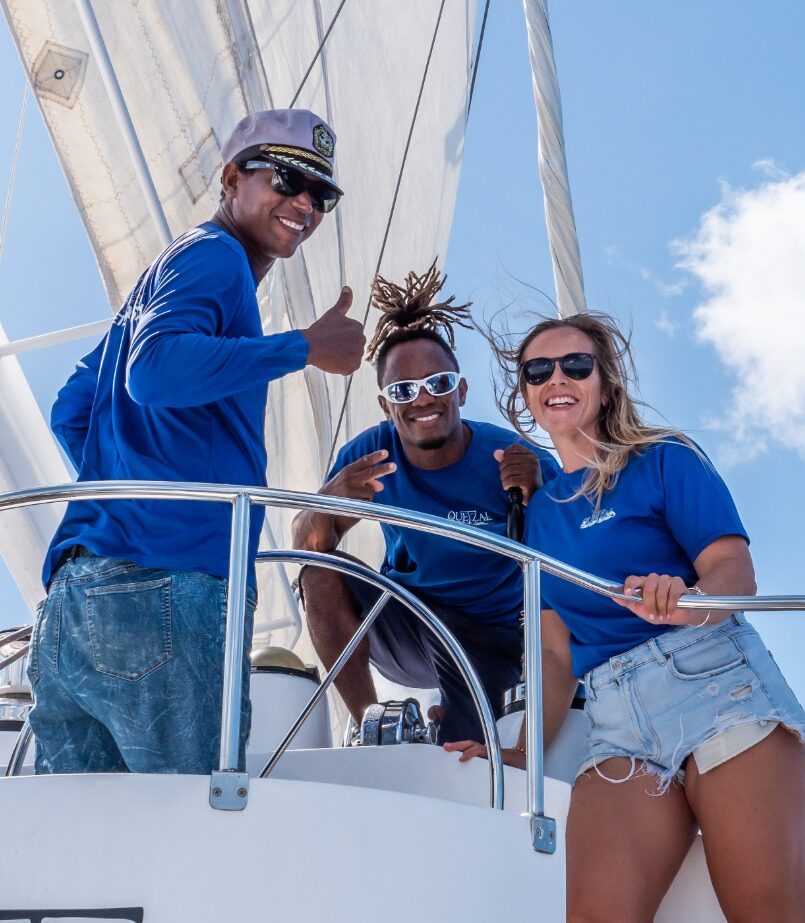
Based in Bayahibe, Quetzal Excursions is a local agency specialized in small-group sea trips to Saona, Catalina, and the most beautiful hidden gems of the Dominican Republic. We focus on comfort, safety, and authenticity, aboard high-end boats with a professional crew.
📱 CONTACT US ON WHATSAPP : +1 (809) 979-7359
Our Regular Excursions
Saona by Catamaran – All Comfort
Our Excursion to Catalina Island
Snorkeling Tour to Catalina
Our Private Excursions
Private rental of the Quetzal catamaran
📌 Need help planning your excursion?
Contact Quetzal Excursions to plan your activities from your place of stay, with included transport, small group, professional guide, and high-end services.