

How Deep Is the Water for Snorkeling at Catalina Island?
Catalina Island, located off the southeastern coast of the Dominican Republic near La Romana, is one of the region’s popular destinations for snorkeling and marine exploration. Its clear Caribbean waters, colorful coral formations, and tropical fish make it an appealing stop for travelers who want to discover the underwater world.
But how deep is the water at Catalina Island, and is snorkeling suitable for beginners who are not confident swimmers? The answer depends on the snorkeling spot you visit. Some areas feature shallow coral gardens just a few feet below the surface, while the famous Catalina Wall descends dramatically into deeper water. Understanding these differences will help you choose the right experience and enjoy your excursion safely.
How Deep Is the Water When Snorkeling at Catalina Island?
The snorkeling depth around Catalina Island varies depending on the location. Near the island’s beach, the seabed slopes gently into the water, and parts of the underwater garden lie at less than 3 meters (around 10 feet). These shallow areas are particularly appealing for visitors who want to observe coral and small tropical fish without venturing into deep water.
At designated reef sites, the water may be deeper. Catalina’s underwater landscape includes sloping coral formations and the famous Wall, where the seabed drops away into much deeper water.
It is important to distinguish between the depth of the reef and the depth at which you snorkel. Even when a reef descends dozens of meters, you can observe parts of it from the surface. You do not need to dive down to the bottom to enjoy the marine life.
The exact depth at your snorkeling stop will depend on the location selected by your excursion operator and the sea conditions on the day.
The Difference Between Snorkeling and Diving at Catalina Wall
Catalina Wall, also known as La Pared, is one of the island’s best-known underwater attractions. It is famous for its steep coral drop-off, which attracts scuba divers interested in exploring the deeper reef.
The upper reef begins in relatively shallow water, with the slope reaching the edge of the wall at approximately 5–6 meters (16–20 feet) at some points. Beyond this edge, the wall descends much farther, reaching depths of around 30 meters (100 feet) or more depending on the section explored.
For snorkelers, however, the experience is different from scuba diving. You remain at the surface, looking down into the clear water at the reef formations and fish below. The contrast between the shallow reef and the deep blue water can be impressive, even without diving equipment.
Because the water becomes deeper near the drop-off, it is important to follow your guide’s instructions and remain within the designated snorkeling area. The fact that you can see the wall from the surface does not mean that swimming close to its edge is appropriate for everyone.
Is Catalina Island Good for Beginner Snorkelers?
Yes, Catalina Island can be a good destination for beginners, particularly when the excursion includes a sheltered or relatively shallow snorkeling site.
The shallow coral areas near the island allow visitors to discover marine life without needing advanced snorkeling skills. You can float on the surface while observing the underwater scenery, rather than having to dive underwater to see anything interesting.
However, snorkeling is a water activity, and even shallow water can present risks. Conditions can change, currents may vary, and not every snorkeling stop is equally suitable for inexperienced swimmers.
If you are a beginner, tell your excursion guide before entering the water. Ask whether flotation vests are available, stay close to the supervised group, and do not feel pressured to swim farther than you are comfortable with.
If you are traveling with children, check the excursion’s age requirements and safety arrangements in advance. Children should always be supervised by a responsible adult, even when wearing flotation equipment.
You can also choose to remain on the boat or enjoy the beach if you do not feel comfortable snorkeling. You do not need to enter the water to appreciate Catalina Island’s beautiful surroundings.
What Marine Life Can You See While Snorkeling?
One of the highlights of snorkeling at Catalina Island is the opportunity to observe Caribbean marine life in its natural environment.
Depending on the location and conditions, you may encounter colorful reef fish swimming among coral formations. Common reef inhabitants in the wider Caribbean include parrotfish, sergeant major fish, butterflyfish, and blue tangs. Coral formations and sponges also contribute to the variety of shapes and colors beneath the surface.
You may occasionally spot other marine animals, but sightings are never guaranteed. The species you encounter will depend on the snorkeling site, visibility, weather, and natural animal behavior.
Remember that coral reefs are living ecosystems. Avoid touching coral, standing on the reef, chasing fish, or attempting to feed marine animals. Even seemingly harmless contact can damage fragile organisms.
By observing marine life respectfully, you help preserve the underwater environment for future visitors.
How Clear Is the Water at Catalina Island?
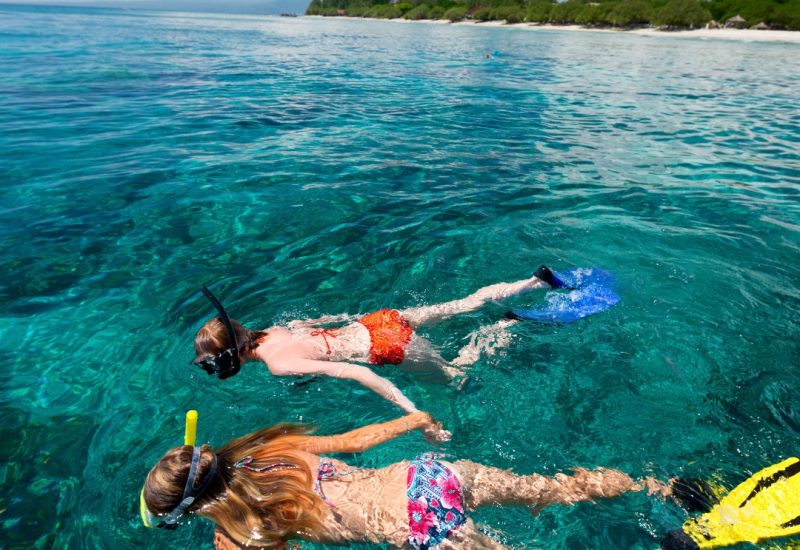
Water clarity is one of the reasons Catalina Island is attractive for snorkeling. When conditions are favorable, the clear Caribbean water makes it easier to see coral formations and fish from the surface.
Visibility is not constant, however. Wind, waves, rainfall, currents, and the number of boats operating in an area can influence underwater visibility. A sunny day does not necessarily guarantee perfectly clear water at every snorkeling stop.
Morning conditions may be favorable on some days, but this depends on the weather and sea state. Your excursion operator will select the snorkeling location according to the conditions and the planned itinerary.
For the best experience, avoid judging the entire island’s snorkeling conditions based on a single photograph or video. Underwater visibility and the amount of marine life you see can vary from one visit to another.
What Should You Bring for Snorkeling at Catalina Island?
Preparing a few essentials will help make your snorkeling excursion more comfortable.
Consider bringing:
- Swimwear: Wear it beneath your clothes so you are ready when the boat reaches the snorkeling site.
- A towel and a change of clothes: These are useful after swimming and during the return journey.
- Sun protection: Bring a hat, sunglasses, and reef-conscious sun protection suitable for the destination.
- Waterproof camera: A waterproof camera or phone case can help you capture your experience, provided you use it safely.
- Drinking water: Staying hydrated is important in the Caribbean heat.
Check with your excursion operator before departure to confirm whether a mask, snorkel, fins, and flotation vest are included. Equipment and services can vary between tours.
You should also follow your guide’s instructions regarding where to enter and exit the water, where to keep your belongings, and how long you can remain at the snorkeling site.
Is Snorkeling at Catalina Island Safe?
Snorkeling can be an enjoyable activity when you choose an appropriate location and follow basic safety precautions. Nevertheless, no snorkeling destination is entirely risk-free.
Always listen to your guide, use the recommended safety equipment, and remain within the designated area. If you feel tired, uncomfortable, or out of breath, stop and ask for assistance. Never swim beyond your abilities simply to reach a deeper section of the reef.
Do not enter the water if the crew advises against it because of waves, currents, or other unsafe conditions. If you are not a confident swimmer, communicate this before the activity begins so the team can explain the available options.
Finally, remember that the deeper section of Catalina Wall is primarily an attraction for scuba divers with the appropriate training and equipment. Snorkelers can appreciate the reef from the surface without attempting to descend into deeper water.
Discover Catalina Island with Quetzal Excursions
If you are planning to visit Catalina Island during your stay in the Dominican Republic, a boat excursion is a convenient way to discover its beaches and underwater scenery.
With Quetzal Excursions, you can explore the Caribbean coastline and enjoy a day dedicated to the sea. Before booking, check the itinerary, the snorkeling location, the equipment provided, and the safety arrangements to make sure the experience matches your expectations.
Whether you are an experienced snorkeler or trying the activity for the first time, Catalina Island offers the opportunity to discover a different side of the Dominican Republic, beyond its famous beaches.
So, how deep is the water for snorkeling at Catalina Island? Some areas near the beach are less than 3 meters (10 feet) deep, while other reef sites are deeper and the famous Catalina Wall drops dramatically into the sea. You can enjoy the underwater scenery from the surface without descending to the bottom. Choose an appropriate snorkeling spot, follow your guide’s instructions, and enjoy Catalina Island’s remarkable marine environment responsibly.

Who are we?
Based in Bayahibe, Quetzal Excursions is a local agency specialized in small-group sea trips to Saona, Catalina, and the most beautiful hidden gems of the Dominican Republic. We focus on comfort, safety, and authenticity, aboard high-end boats with a professional crew.
📱 CONTACT US ON WHATSAPP : +1 (809) 979-7359

Our Regular Excursions
Saona by Catamaran – All Comfort
Our Excursion to Catalina Island
Snorkeling Tour to Catalina
Our Private Excursions
Private rental of the Quetzal catamaran
📌 Need help planning your excursion?
Contact Quetzal Excursions to plan your activities from your place of stay, with included transport, small group, professional guide, and high-end services.