

Can you buy souvenirs on Saona island?
Souvenirs and crafts you can buy on Saona island
Many visitors arrive on Saona Island thinking only about the beach, the water and lunch, and remember souvenirs only when it is time to get back on the boat. It is worth thinking about them beforehand, because Saona is not a shopping area. It is a protected natural space with a small population, where the choice is modest and where some purchases are best avoided altogether.
The short answer is yes, you can buy souvenirs on Saona Island, but only in small quantities, and it helps to know what you are buying. This article explains what you may find, what counts as local craftwork, what should stay where it is out of respect for nature, how to shop responsibly and what to do if nothing appeals to you. It ends with what Quetzal Excursions says, and does not say, on the subject in its official pages.
What follows about the actual offer on the island consists of general observations reported by travelers. What is available changes with the season, the day and the location, and nothing is guaranteed.
What Saona actually is
To understand what can be bought there, it helps to remember where you are. Saona is an island in the southeast of the Dominican Republic, inside the Parque Nacional del Este. It is known for its long beaches, clear water, palm trees and coastal vegetation. It has a few small communities, the best known being the village of Mano Juan, and local life revolves around fishing and, increasingly, tourism.
That context explains two things. First, the local economy depends in part on visitors, which gives a thoughtful purchase real meaning. Second, the island is protected: commercial activity is limited and shaped by rules designed to preserve the environment.
What you can usually find
Travelers report that what is on offer is concentrated in a few places: the village of Mano Juan, where small stalls are most often mentioned, and some beach areas where vendors display their goods. These are not organized shops but simple stands, sometimes set up in front of a house or along a path.
Items most often mentioned include:
- Handmade jewelry, such as bracelets, necklaces and earrings made from beads, seeds or fibers.
- Wooden objects, carved or painted, usually small.
- Plant-fiber items, such as baskets or fans woven from palm leaves.
- Paintings and small pictures, often brightly colored, showing beach scenes or local life.
- Light textiles, such as sarongs or hats.
Quality and origin vary widely. Some items are made on the island and others come from elsewhere in the country, and it is not always possible to tell which are which. If origin matters to you, the simplest thing is to ask the seller.
Who makes the crafts and what buying them means
Behind each stall there is usually a person or a family who combines selling with other activities, such as fishing or work in tourism services. Buying something handmade contributes directly to that income, which is why a considered purchase has a bigger effect than casual spending at an airport shop.
It also helps to understand the rhythm of this trade. There are no fixed opening hours or catalogs, and what is available depends on what each person has been able to prepare and how many visitors arrive that day. Anyone expecting guaranteed variety may be disappointed, while those who accept a small, handmade offer tend to appreciate what they find more.
What it is better not to buy
This is the most important part of the article. On a protected island, some souvenirs simply should not be bought, even if they are on sale.
Coral, dried starfish and large shells. Taking these from the natural environment harms the ecosystem, and collecting them is generally prohibited in protected areas. Buying them encourages further collecting. Dried starfish, in addition, are often taken alive.
Items made from tortoiseshell. Sea turtles are protected, and trade in products made from them is banned or strictly regulated almost everywhere. A tortoiseshell (“carey”) piece can cause problems at customs and also feeds an illegal trade.
Anything made from protected marine animals, such as certain rare shells or black coral products.
A simple rule: if an object looks as though it came straight from the sea or from wildlife, it is better left alone. And do not pick anything up yourself on the beach, not even a shell that seems empty. It may have an occupant or play a role in the ecosystem.
How to tell genuine crafts from imports
It is not always easy to tell an object made by hand on the island from one mass-produced elsewhere and brought in. A few general clues help, though none is foolproof.
Handmade pieces tend to have small irregularities: weaving that is not perfectly symmetrical, slightly different colors from one piece to the next, carving with visible tool marks. Materials are a guide too. Seeds, plant fibers, local wood or simple beads are more typical of handmade work than very uniform finishes, shiny plastic or factory labels.
The best tool, however, is conversation. Asking who made it, from what and how long it took usually gives a good idea, and most sellers answer happily. If someone cannot or will not say where an item comes from, that is one more piece of information when deciding whether to buy it.
Shopping responsibly
Buying on Saona can be a useful gesture if done with care. A few principles help:
- Prefer handmade items made from plant materials (wood, fibers, seeds) over anything that comes from the sea.
- Ask where an item comes from and how it was made, naturally and without suspicion.
- Buy directly from the local seller rather than through intermediaries.
- Accept a fair price. Bargaining is common in the Dominican Republic, but it should be polite and reasonable: on small items, a few pesos’ difference matters a lot to the seller and very little to you.
- Do not buy on impulse. If you have doubts about where something comes from, that is probably a sign to leave it.
- Decline unnecessary packaging and take your own waste with you.
The aim is not to feel guilty but to make sure the money you spend genuinely benefits local people without harming the island they live from.
Paying, bargaining and carrying
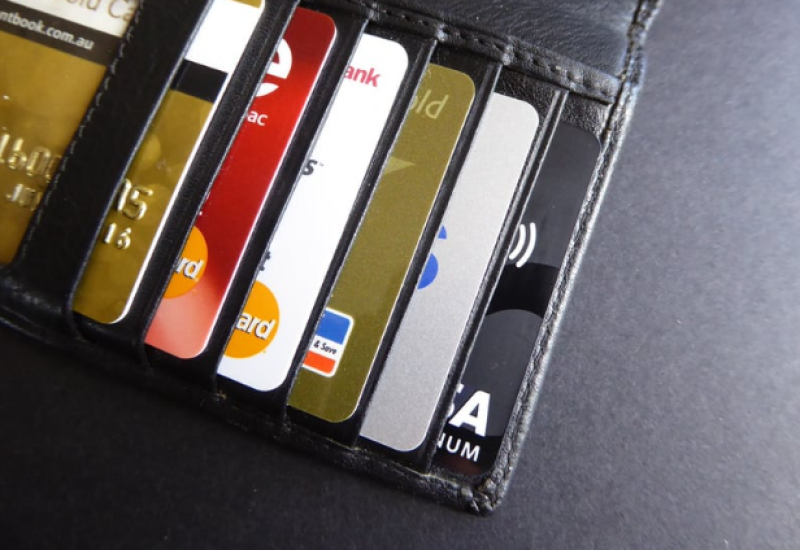
On the practical side, a few points avoid surprises. Card payments are rare in places like this, and it is wiser to carry some cash in small bills. Accepted currencies can vary, and it helps to know beforehand what an item is worth in Dominican pesos.
Time ashore is limited by the day’s program, so it is better to spot what interests you at the start of the stop rather than leaving it to the last minute, and not to wander away from the group to shop. Also think about transport: a fragile or bulky item fits badly in a waterproof bag, and wooden or fiber objects need to stay dry on the crossing.
Souvenirs for children and for gifts
Travel souvenirs are often for other people, and in that case it helps to think about the recipient. For children, small, light and sturdy items work well, such as a beaded bracelet or a wooden keyring, which are also easy to carry in a beach bag. For adult gifts, a simple craft piece with a small story about who made it often goes down better than something generic.
It is worth avoiding anything very fragile, anything that takes up a lot of space and anything that may cause trouble on the way home. A souvenir that arrives in good condition and can be explained, with its story behind it, is worth more than an expensive or awkward one.
And at customs?
A souvenir of natural origin can cause problems on arrival. Many countries ban or restrict the import of coral, shells, products from protected animals and certain plant materials. If the item you bought has no clear status, it may be confiscated or even lead to a fine.
The simplest approach is to stick to unambiguous items: jewelry made from beads or cultivated seeds, worked wood, textiles, paintings. If you are unsure about a particular item, check with your country’s authorities before bringing it home. Rules change and vary by destination.
Where to buy Dominican products away from the island
If you find nothing that appeals on Saona, or you would rather shop at your leisure, there are other options. Typical Dominican products such as coffee, cocoa, rum, amber or larimar can be found in shops in Bayahibe and elsewhere, and in airports. For stones and jewelry, it is best to buy from well-known shops that can explain the origin and provide a receipt, because not everything sold as larimar or amber is the real thing.
That way you can keep your purchases on the island for one small craft item, chosen for what it represents rather than what it costs, and leave more delicate gifts for a place where you can compare them calmly.
Souvenirs you cannot buy
It is also worth saying that you do not have to bring an object back from Saona. Many travelers keep their best memories as photos, videos or simply recollections. A picture of the beach at the right moment, a conversation with a local, the taste of lunch by the sea: none of that goes through customs or costs the island anything.
If you still want to take something home, the key is that the souvenir is honest with the place: an object made by someone from there, bought at a fair price and without having taken anything from the natural environment.
What Quetzal Excursions says on the subject
Quetzal Excursions offers several formats for Saona from Bayahibe, including a sailing catamaran outing of about eight hours, with a snorkeling stop at Catuano, time on Saona’s beach and lunch aboard while sailing to the Las Palmillas natural pool. Other formats, such as the speedboat trip, include about three hours on a private beach with lunch.
The official pages do not mention souvenir shopping. They do not refer to craft stalls, a stop in the village of Mano Juan or free time set aside for shopping. The time ashore depends on the program of the chosen format. If souvenirs matter to you, the safest approach is to ask Quetzal Excursions directly when booking whether any stop is planned and how long you will have on site. Schedules, programs and conditions can change with the season.
Final Thoughts
You can buy souvenirs on Saona Island, but the offer is limited, made up mostly of simple crafts, and it takes some discernment. Jewelry, wooden and fiber objects, paintings and textiles are safe choices, while coral, starfish, shells taken from the sea and anything made from sea turtles should be avoided.
Buying directly from the maker, at a fair price and without taking anything from the natural environment, is the best way to support local people without harming the island. And if nothing appeals, that is fine: most people come home from Saona with photos and memories that are not for sale.

Who are we?
Based in Bayahibe, Quetzal Excursions is a local agency specialized in small-group sea trips to Saona, Catalina, and the most beautiful hidden gems of the Dominican Republic. We focus on comfort, safety, and authenticity, aboard high-end boats with a professional crew.
📱 CONTACT US ON WHATSAPP : +1 (809) 979-7359
Our Regular Excursions
Saona by Catamaran – All Comfort
Our Excursion to Catalina Island
Snorkeling Tour to Catalina
Our Private Excursions
Private rental of the Quetzal catamaran
📌 Need help planning your excursion?
Contact Quetzal Excursions to plan your activities from your place of stay, with included transport, small group, professional guide, and high-end services.